Introducing Our Simulation Engine for Autonomous UAV
We're launching our full-stack simulation engine — ArduPilot SITL flight dynamics, Unreal Engine 5 rendering, and a hardware-enforced safety envelope for developing autonomous drone AI without ever leaving your desk.
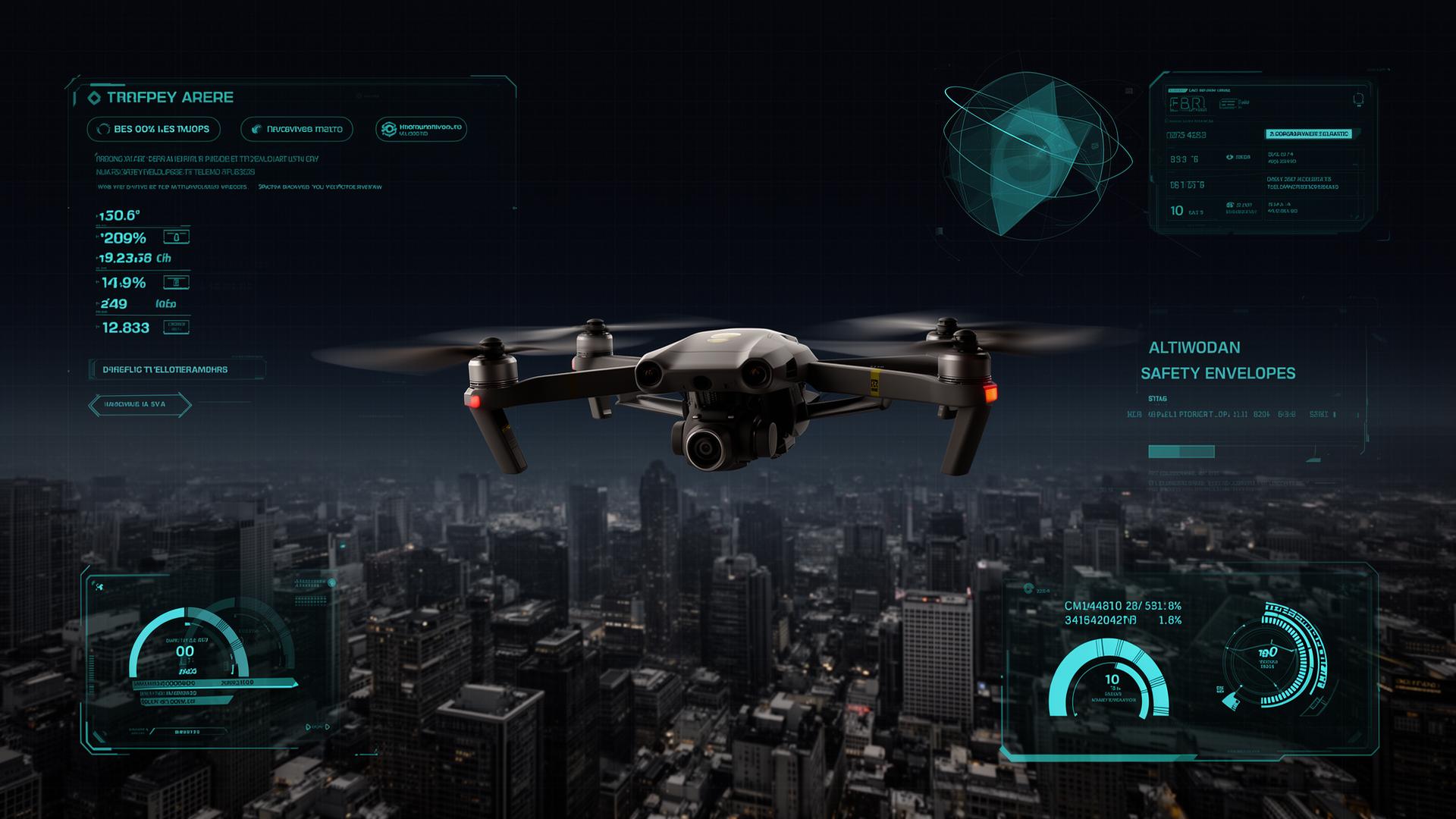
Today we're excited to announce our Simulation Engine for Autonomous UAV — a purpose-built, containerized environment for developing and testing autonomous unmanned vehicle AI. It's the tool we wished existed when we started building autonomous flight systems.
Why We Built It
Testing autonomous drone logic in the real world is slow, expensive, and dangerous. Every iteration requires a physical flight, hardware risk, weather dependency, and regulatory overhead. Our Simulation Engine eliminates this bottleneck entirely.
What It Does
The engine provides a complete, Docker-containerized environment where your AI "brain" — the autonomous decision-making module — plugs into production-grade infrastructure: ArduPilot SITL flight dynamics, MAVLink telemetry, and Unreal Engine 5 photorealistic rendering. The only variable is your autonomy algorithm.
Three-Tier Isolated Architecture
- Physics Layer (ArduPilot SITL): Full 6-DOF flight dynamics with realistic sensor models — GPS, IMU, barometer, magnetometer at 10Hz via MAVLink
- Safety Layer: Independent hardware-enforced gateway with geofencing, altitude ceilings, velocity envelopes, and watchdog timeouts. No brain can bypass it.
- Application Layer: Operator HMI with UE5-rendered 3D terrain visualization, real-time telemetry panels, and hot-swappable AI brain interface
Hot-Swappable AI Flight Controllers
Your autonomous logic is a modular Python plugin. Write it, deploy it, watch it fly against real ArduPilot flight dynamics. When you want to try a different approach, hot-swap to a new brain without restarting the simulation. The iteration cycle drops from hours to seconds.
UE5 Photorealistic Rendering
Dual rendering pipeline powered by Unreal Engine 5 produces synthetic camera feeds using real-world DEM terrain data. Vision-based AI systems can train against imagery that's indistinguishable from reality — including depth maps and semantic segmentation overlays.
Hardware-Enforced Safety Envelope
Every MAVLink command from the AI brain passes through an independent safety gateway before reaching the simulated vehicle. Geofencing polygons, altitude ceilings, velocity caps, and automatic emergency hover are enforced at the infrastructure level — ensuring your AI experiments stay within safe operational boundaries.
Who It's For
Our Simulation Engine is designed for defense, security, and aerospace teams developing autonomous unmanned vehicle capabilities. Whether you're building autonomous navigation, AI-powered reconnaissance, or swarm coordination — this platform accelerates your development cycle by orders of magnitude.
Get Access
The Simulation Engine is available for qualified defense and security partners. Contact us to discuss integration, licensing, or a live demo.
Learn More
Visit the Simulation Engine product page for detailed capabilities, architecture overview, and workflow guide.
Written by Remānguys Engineering Team